
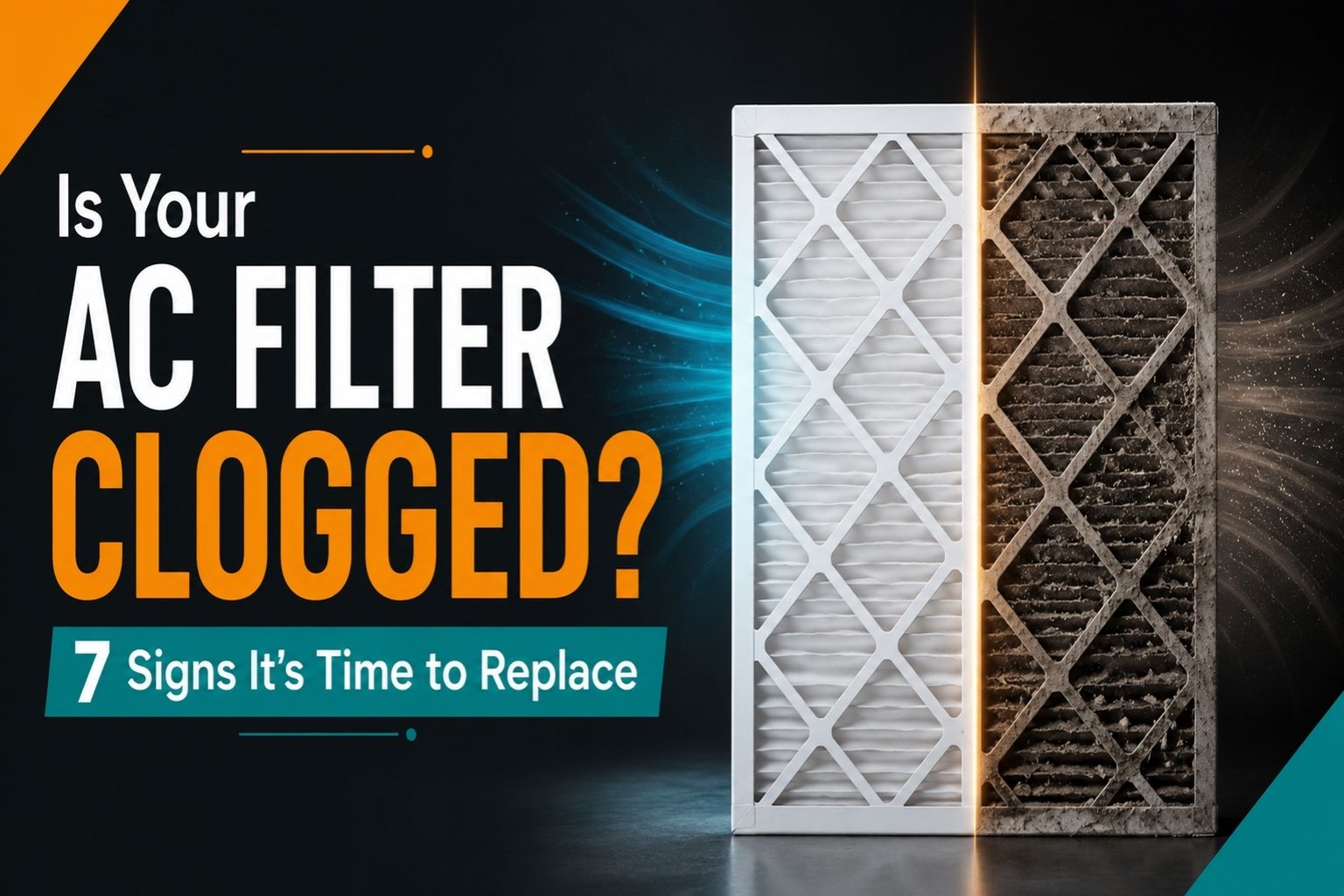
A clogged AC filter is one of the most common HVAC maintenance issues homeowners face. Knowing the signs of a clogged AC filter can help you avoid higher energy bills, poor cooling performance, and costly repairs.
Your AC filter is designed to capture dust, dirt, pet dander, pollen, and other airborne particles before they enter your HVAC system. Over time, these contaminants build up and restrict airflow. When airflow becomes limited, your air conditioner must work harder to cool your home, increasing energy consumption and putting extra strain on critical components.
The good news is that a dirty air filter usually gives several warning signs before it causes serious damage.
In this guide, we’ll cover seven common signs that your AC filter needs replacing, how often you should change it, and why regular filter maintenance can help extend the life of your air conditioning system.
What Does an AC Filter Do?
Before discussing the warning signs, it’s important to understand why your AC filter matters.
The air filter acts as your HVAC system’s first line of defense. It helps:
- Trap dust and dirt
- Capture pollen and allergens
- Improve indoor air quality
- Protect AC components from debris
- Maintain proper airflow
The air filter is only one part of your heating and cooling system. Understanding how an HVAC system works can help homeowners better recognize airflow and efficiency problems.
7 Signs Your AC Filter Needs to Be Replaced
1. Weak Airflow Coming From Your Vents
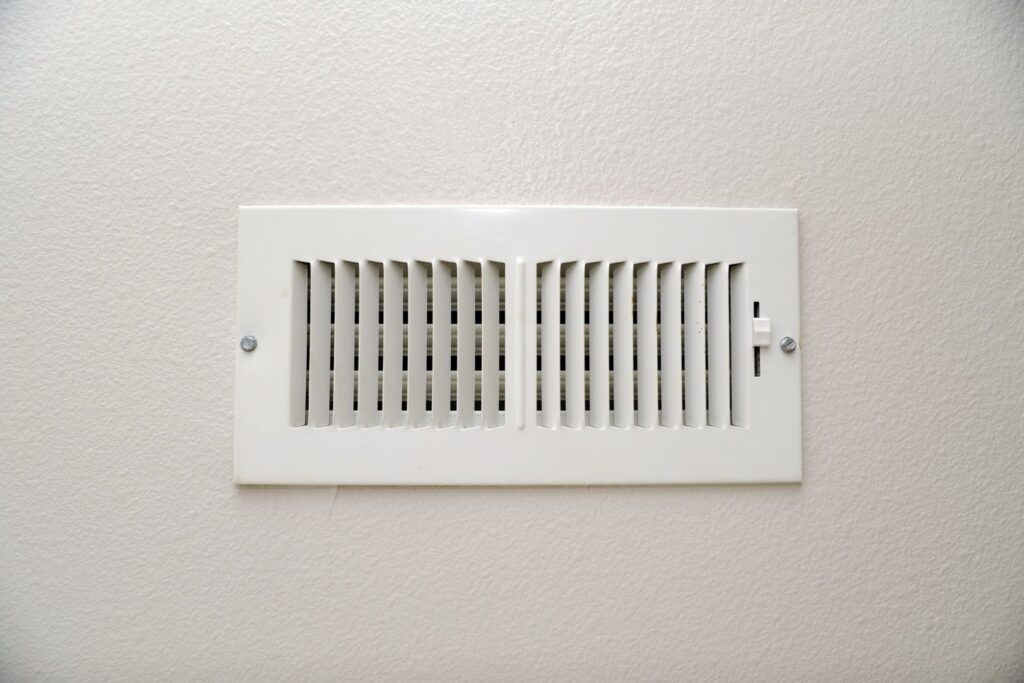
One of the earliest signs of a clogged AC filter is reduced airflow.
If certain rooms feel stuffy or the air coming from your vents seems weaker than usual, a dirty filter may be restricting airflow throughout the system.
Because less air can pass through the filter, your AC struggles to distribute cool air efficiently. Many homeowners notice this issue before they realize the filter needs replacing
If your system is blowing air but your home still feels warm, a dirty filter may be contributing to an AC running but not cooling issue.
2. Your AC Runs Longer Than Normal
Has your air conditioner been running continuously, but your home still doesn’t feel comfortable?
A clogged filter forces the system to work harder to reach the thermostat setting. Since airflow is restricted, cooling cycles become longer and less efficient.
This extra workload increases wear on the blower motor and other components over time.
3. Spike in Energy Bills
A dirty air filter can directly impact your electricity bill.
When airflow is restricted, the HVAC system consumes more energy because it must run longer to achieve the same cooling results.
If your utility bill suddenly increases without any obvious explanation, checking the air filter should be one of your first troubleshooting steps.
4. Excess Dust Around Your Home
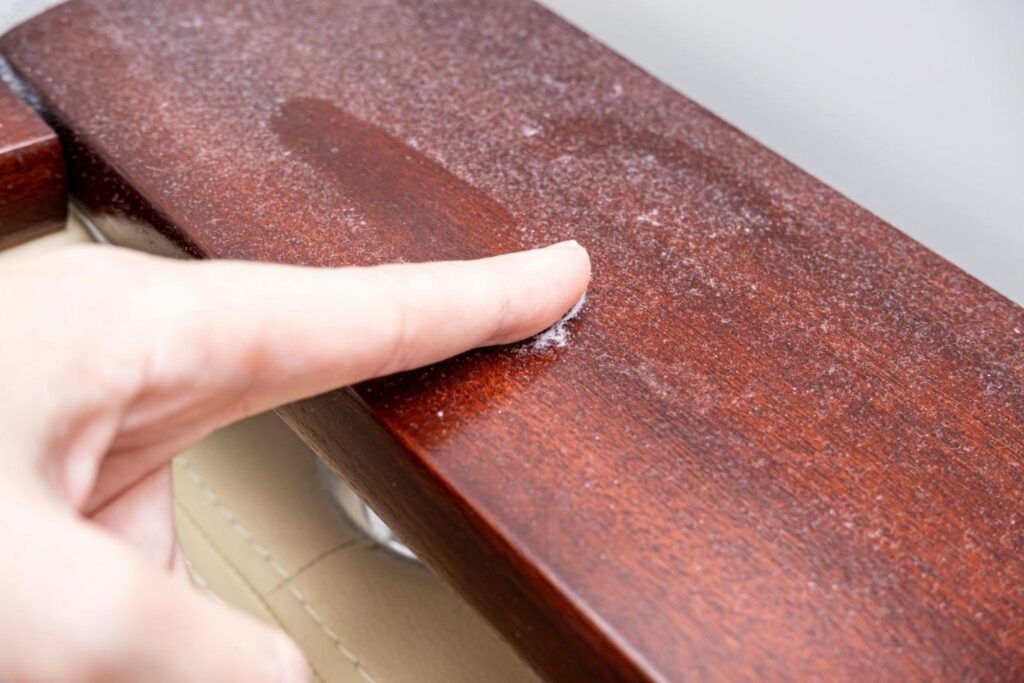
Have you noticed more dust accumulating on furniture, shelves, or near air vents?
A clogged filter becomes less effective at capturing airborne particles. As a result, dust can circulate throughout your home and settle on surfaces more quickly.
If you’re dusting more frequently than usual, your AC filter may be overdue for replacement.
5. Increased Allergy or Respiratory Symptoms
Your air filter helps remove allergens from the air before they circulate throughout your home.
When the filter becomes dirty, allergens such as pollen, dust mites, and pet dander may remain airborne.
This can contribute to:
- Sneezing
- Coughing
- Eye irritation
- Allergy flare-ups
- Poor indoor air quality
Homes with pets or allergy sufferers often require more frequent filter changes.
6. Frozen Evaporator Coil
A severely clogged filter can eventually cause airflow problems serious enough to freeze the evaporator coil.
When warm air cannot move properly across the coil, temperatures can drop below freezing, and ice begins to form. If left unaddressed, this issue can cause your AC to freeze up, reducing cooling performance and potentially leading to costly repairs.
Common symptoms include:
- Ice on refrigerant lines
- Reduced cooling performance
- Water leaks after thawing
- AC running constantly
Ignoring this issue can lead to expensive repairs.
7. The Filter Looks Dirty During Inspection
Sometimes the easiest sign is simply looking at the filter. Remove the filter and hold it toward a light source.
If:
- Light barely passes through
- The filter appears gray or black
- Dust completely covers the surface
It’s time for a replacement. Most manufacturers recommend checking filters monthly, especially during peak cooling season.
Why Ignoring a Clogged AC Filter Can Cost You More
Many homeowners assume a dirty filter is a minor issue, but it can lead to:
- Reduced cooling efficiency
- Higher utility bills
- Frozen evaporator coils
- Increased system wear
- Poor indoor air quality
- Premature HVAC breakdowns
Replacing a filter is one of the easiest and least expensive ways to protect your HVAC system.
How Often Should You Replace Your AC Filter?
A general guideline is:
| Home Type | Replacement Frequency |
| Standard Home | Every 1–3 Months |
| Home With Pets | Every 30–60 Days |
| Allergy Sufferers | Every 30–45 Days |
| Heavy AC Usage (Texas Summer) | Monthly Checkups |
Actual replacement intervals depend on filter type, indoor air quality, pets, and system usage.
How to Check if Your AC Filter Needs Replacement
Step 1: Turn Off The System
Turn off your HVAC system before removing the filter.
Step 2: Remove The Filter
Locate the filter inside the return vent or air handler.
Step 3: Hold It Up To Light
If little or no light passes through, replacement is needed.
Step 4: Check For Dust Buildup
Heavy dust, pet hair, or discoloration indicates a clogged filter.
Step 5: Install A New Filter
Insert the replacement filter according to the airflow arrow.
Conclusion
A clogged AC filter may seem like a small issue, but it can affect your comfort, indoor air quality, energy costs, and the overall lifespan of your HVAC system. By recognizing the warning signs early and replacing your filter regularly, you can keep your air conditioner operating efficiently throughout the year.
If your AC is still struggling after replacing the filter, it may be time for a professional inspection. At All About AC and Heating LLC, we help homeowners throughout San Antonio keep their cooling systems running at peak performance with expert AC maintenance, repairs, and system tune-ups. Contact our team today to schedule service and keep your home comfortable no matter how hot Texas gets.
FAQ:
Can a clogged AC filter stop cooling?
Yes. Restricted airflow reduces cooling performance and can cause frozen coils.
Can a dirty filter cause high electric bills?
Yes. The system runs longer and consumes more electricity.
How do I know if my AC filter is clogged?
Weak airflow, dust buildup, higher bills, longer cooling cycles, and a dirty-looking filter.
Can a clogged filter damage an AC unit?
Yes. It can lead to frozen coils, blower strain, and premature system failure.
What happens if you never change an AC filter?
Airflow becomes restricted, indoor air quality declines, and repair costs increase.